


Indonesia Visa Services | Total Solution Indonesia Visa
Indonesia Immigration and naturalization consultation
Foreign investment consultation
ALP
Tel.+62-21-92929643
Fax.+62-21-56953044
Quality Services For Your Business
Indonesia Visa Services
Indonesia Visa
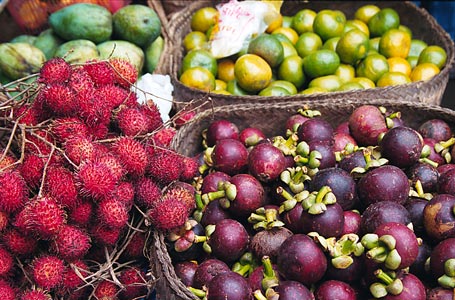
Indonesian Exotic Fruits
Showing posts with label Tourist Visa. Show all posts
Showing posts with label Tourist Visa. Show all posts
20080109
Indonesia Visa

20071228
Indonesia Emigration and Immigration
Indonesia Emigration and Immigration
Immigration to Indonesia was in practice since the ancient era. The early phase of Indonesia Immigration started when fishermen of Indonesia migrated to the neighboring islands. Immigration to Indonesia also took place at this time when huge populace from the Indian subcontinent visited the country and settled there. They also highly influenced the culture and society of the country considerably. Thus Indonesian culture is a blend of Indian and Chinese culture mostly.
The main immigration of Indonesia took place in the nineteenth century when people of Indonesia were sent to Australia for working in the pearl and sugarcane industries. Most of them had to return after the Second World War but few of them managed to stay back. The net migration rate of Indonesia is -1.27 migrants against thousand citizens. The outflow of refugees in Indonesia is nine thousand. For working in Indonesia the foreigners have to send their application to the immigration office. The local embassies of the country are not given the privilege of issuing Temporary Stay Visas. People who exceed their visa period are heavily penalized in Indonesia.
Before white settlement of Australia, Indonesian fishermen from Makasar established trading contact with indigenous communities in northern Australia. They constructed outdoor factories to process sea slug (trepang) for the Chinese market, but established no permanent settlements.
From the 1870s Indonesians were recruited to work in the pearling and sugar cane industries in northern Australia. Around 1,000 Indonesians were living in Australia by Federation, almost all in Queensland and Western Australia. With the introduction of the White Australia Policy in 1901, most sugar workers returned to Indonesia, although some pearl divers remained. Few settled in Victoria, and those who did were probably Dutch Indonesians – the Netherlands had controlled the Indonesian archipelago since the 19th century.
During World War II, many Indonesian nationalists were based in Melbourne, and in 1949 Indonesia’s struggle for independence succeeded. From the early 1950s Indonesian students became temporary residents under the Colombo Plan, and by 1961 the Indonesia-born community of Victoria numbered 1,279. A large number were Dutch Indonesians who had been forced out of Indonesia after World War II.
The end of the White Australia Policy in the early 1970s saw increasing numbers of Indonesians arrive. Between 1986 and 1996, the community increased four-fold, to 12,128. Many of the new arrivals were students on temporary visas. Others came under family reunion or skilled migration programs. By 2001 the Indonesia-born population of Victoria was 10,976, a 10-percent decrease since 1996.
The religious diversity within the Indonesia-born community in Victoria was reflective of its multi-racial makeup: 58 percent were Christian, 16 percent were Muslim, 15 percent were Buddhist, and 2 percent were Hindu. Almost three-quarters spoke Indonesian at home. Those employed worked in a variety of areas, with over one-third in professional roles. Today, the community lives largely in Melbourne’s eastern and south-eastern suburbs, and is enriched by several community and cultural groups. Major community events include celebrations for Indonesian Independence Day on 17 August and the end of Ramadan, enjoyed by Muslims and non-Muslims alike.Indonesia Immigration and naturalization consultation foreign investment consultation
ALP
Tel.+62-21-92929643
Fax.+62-21-56953044
Quality Services For Your Business
20071219
Living in Indonesia
Living in Indonesia
Cultural tourism
Indonesia consists of at least 300 ethnic groups, spread over a 1.8 million km² area of 6,000 inhabited islands.This creates a cultural diversity, further compounded by Hindu, Buddhist, Islamic and European colonialist influences.
From the 3rd century until the 13th century, Hinduism and Buddhism shaped the culture of Indonesia. The best-preserved Buddhist shrine, which was built during the Sailendra dynasty in the 8th century, is Borobudur temple in Central Java. A few kilometers to the southeast is the Prambanan complex, a Hindu temple built during the second Mataram dynasty. Both the Borobudur and the Prambanan temple compounds have been listed in the UNESCO World Heritage list since 1991. In Bali, where most Hindus live, cultural festivals are major attractions to foreign tourists.
Islam has also contributed greatly to the cultural society in Indonesia. As of 2006, about 88% of Indonesians are Moslem. Islamic culture is prominent in Sumatra, and a few of the remaining sultanate palaces can be seen in Medan and Pekanbaru.
Despite foreign influences, a diverse array of indigenous traditional cultures is still evident in Indonesia. The indigenous ethnic group of Toraja in South Sulawesi, which still has strong animistic beliefs, offers a unique cultural tradition, especially during funeral rituals. The Minangkabau ethic group retain a unique matrilineal culture, despite being devoted Muslims. Other indigenous ethnic groups include the Asmat and Dani in Papua, Dayak in Kalimantan and Mentawai in Sumatra, where traditional rituals are still observed.
A discussion of cultural tourism is not complete without a mention of Yogyakarta, a special province in Indonesia known as a centre of classical Javanese fine art and culture. The rise and fall of Buddhist, Hindu, and Islamic kingdoms in Central Java has transformed Yogyakarta into a melting pot of Indonesian culture.
Accommodation
The standards and types of accommodation available to the tourist varies from 5 star hotels to basic beach huts, with something to suit every taste and budget. Most large cities and tourist resorts have a selection of hotels, but the predominant form of accommodation is the family run hostel which can be found wherever there are budget travellers.These losmen provide not only accommodation, but often also will offer food and information for the traveller. In very remote villages, it might be necessary to discuss accommodation requirements with the village head. In Ubud, and elsewhere in Bali, many guest houses have been set up using the traditional family compound as their setting.
Food in Indonesia
The variety of cultures in Indonesia is reflected in the wide range of foods in the nation. Since the 15th century, many European traders have visited the archipelago to buy different kinds of spices, including pepper and mace. In modern times, many cultures and countries have influenced the cuisine of Indonesia, such as Western culture and Asian culture. Many claim that this diversity has resulted in one of the most unique cuisines in the world.
Rice is Indonesia's most important staple food. The rice is usually served with a side dish, such as chicken, meats and vegetables. Although the meals are generally simple, the plentiful use of various roots, spices, grasses, and leaves adds flavour to most dishes. Other main meals, such as potato, noodles, soybeans and wheat are common. The most common method for preparing food is frying, though grilling, simmering, steaming and stewing are also used.
Indonesian cuisine is also influenced by Western culture. The most obvious example is the presence of fast food companies in Indonesia, such as McDonald's, KFC and Pizza Hut.
International airports
Each of the larger Indonesian islands, have at least one international airport. The biggest airport in Indonesia, Soekarno-Hatta International Airport, is located in Tangerang Regency, Banten. There are four more international airports on Java, Adisumarmo International Airport in Central Java, Juanda International Airport in East Java, Achmad Yani International Airport in Central Java and Adisucipto International Airport in Yogyakarta. On Kalimantan there is one international airport and there are two on Sumatra. Bali, which is part of the Nusa Tenggara Islands, has the Ngurah Rai International Airport.
Get around
By plane
The only rapid means of long-distance travel within Indonesia is the plane. The largest domestic carriers are state-owned Garuda and private competitor Lion Air, but in recent years a host of low-cost competitors have sprung up, including Adam Air, Indonesia Air Asia (formerly AWAIR), Air Efata, Batavia Air, Mandala and many more. Routes for less popular destinations and routes (particularly in eastern Indonesia) are served by Garuda's little buddy Merpati, memorably summarized as "It's Merpati and I'll fly if I want to", AirFast, Sriwijaya, Jatayu and more, often flying smaller planes. If you really get off the beaten track, eg. settlements in Papua, there are no scheduled services at all and you'll need to charter a plane or hitch rides with missionaries.
Prices are low by international standards, with more or less any domestic return flight available for under US$100 even on short notice, and fares for a fraction of that if you plan ahead. When traveling off the beaten track, it's imperative to reconfirm early and often. Make sure you arrive at the airport at least 2 hours before the departure time.
By boat
Indonesia is all islands and consequently ferries have long been the most popular means of inter island travel. The largest company is PELNI, which visits practically every inhabited island in Indonesia.
By train
PT Kereta Api runs trains across most of Java and some parts of Sumatra. The network was originally built by the Dutch, and few new lines have been built since the Independence. Double-tracking of the most congested lines have been done, though, and is still ongoing.
Java by far has the best railway network, with trains connecting the capital city of Jakarta with other main cities, i.e. Surabaya both via Semarang on the north coast and via Yogyakarta and Solo through the southern main line. Bandung is connected to Jakarta by some 30 trains per day, and is itself connected to Surabaya through Yogyakarta. Bali has no railway lines, but there are trains from Surabaya to Banyuwangi, connecting with ferries to the island.
Sumatra's networks are concentrated on the northern (around Medan) and the southern (Lampung to Palembang) parts of the island. Passenger trains on the island are much less frequent than in Java.
Type of service: 1. Air-conditioned Executive class 2. Bisnis 3. Ekonomi classes are also available for the more budget-conscious traveler, but comfort and safety are noticeably less (due to congestion and length of travel time).
No sleeping car service is provided in Indonesia, and the best accommodation provided is air-conditioned, adjustable reclining seats in the Argo and other executive class trains.
Ticket reservations can be made one month in advance, although generally tickets will still be available almost to the last minute. An exception is the very busy Lebaran season, in which time it is not advisable to travel due to the extremely high demand for tickets. No on-line ticket reservation is available, but availability can be gleaned on PT Kereta Api's ticketing site.
By bus
The major types of buses are air-conditioned bus (AC) and non-air-conditioned bus (non-AC or "economy class"). The air-conditioned chartered buses can be rented with its drivers for a tourist group. Indonesian bus companies offer intercity and interprovince routes. The interprovince routes usually include transportation to other islands mainly between Java and Sumatra.
By car
That said, renting a car in Indonesia is cheap compared to renting in other country, and despite recent fare hikes gas remains cheap (fixed price for gasoline is Rp 4500/litre and price of diesel fuel is Rp 4300/litre). To drive a car yourself, an International Driver Permit is required, but it is strongly recommended that you consider renting a car with driver, because the additional cost is quite low .Traffic moves on the left in Indonesia.
By becak
Becak is a tricycle (pedicab) transportation mode for short distances such as residential areas in many cities. In some areas, the driver is sitting at the back of the passenger, but in some areas (like Medan) the driver is sitting on the side of the passenger. Good communication skills is integral to prevent getting overcharged on these rides. Note that there are no becak in Jakarta. Instead, the motorized bajaj), somewhat similar to the Thai tuk-tuk, serves the same function. In some other provinces (eg. North Sumatra, Aceh) you can also find motorbikes with sidecars, known as bentor (short for becak bermotor).
By ojek
If you're in such a hurry that you're willing to lose a limb to get there, then ojek motorcycle taxis might be the ticket for you. Ojek services consist of guys with bikes lounging around street corners, perhaps identified with a colored, numbered jacket, who usually shuttle short distances down alleys and roads but will also do longer trips for a price
Talk
The sole official language is Indonesian, known as Bahasa Indonesia. It's based on the dialect of Malay spoken in the Riau Islands and Malay speakers will pick it up very quickly, the main differences being in loanwords — Indonesian borrowed from Arabic, Dutch, Sanskrit, while Malay's loans are mostly from English. The language went through a series of spelling reforms in the 1950s and 60s to smoothe over differences with Malay and expunge its Dutch roots. Although the reforms are long complete, you may still see old signs with dj for j, j for y, or oe for u.
Many educated Indonesians understand and are able to speak English. While Indonesian is the lingua franca throughout the archipelago, there are thousands of local languages as well, and if you really get off the beaten track you may have to learn them as well.
Most educated seniors (65 years/older) in Indonesia understand Dutch.
Educated Indonesians who graduated from Islamic Religious Institutes/Islamic Universities understand and are able to speak Arabic.
English language TV channels are available on most hotels. MetroTV (local TV channel) broadcasts news in Chinese from Monday to Friday at 07.00 AM. MetroTV also broacasts news in English from Monday to Friday at 07.30 AM. TVRI (state owned TV station) broadcasts news in English from Monday to Friday at 04.30 PM in the afternoon. All schedules are in Waktu Indonesia Barat (WIB).
Buy
Indonesia's currency is the rupiah (IDR), abbreviated Rp. The rupiah's value plummeted during the 1997 economic crisis and has slowly drifted downward ever since, and as of 2006 you need more than Rp 9,000 to buy one US dollar. The trailing three zeros are often abbreviated with rb (ribu, thousand) or even dropped completely, and for more expensive items you will often even see jt (juta, million).
The largest banknote is Rp 100,000, which may only be US$10 but is still inconveniently large for most purchases. Next in the series are Rp 50,000, Rp 20,000, Rp 10,000, Rp 5,000 and finally Rp 1,000. Bill size is the easiest way to distinguish them, as the designs — all pale pastel shades of yellow, green and brown — are confusingly similar and the smaller bills in particular are often filthy and mangled. A chronic shortage of small change has been to some extent alleviated by a new flood of plasticky aluminum coins, available in denominations of Rp 500, Rp 200, Rp 100, Rp 50 and the thoroughly useless Rp 25. Older golden metallic versions are also still floating around, and you may occasionally even run into a sub-1000 banknote. Bills printed in 1992 or earlier are no longer in circulation, but can be exchanged at banks.
US dollars are the second currency of Indonesia and will be accepted by anyone in a pinch, but are typically used as an investment and for larger purchases, not buying a bowl of noodles on the street. Many hotels quote rates in dollars, but all accept payment in rupiah.
ATMs
ATMs are common in the larger cities on the islands of Java, Bali and Lombok and are generally reliable. They are non-existent on most other islands.
Credit Cards
Visa and Mastercard are widely accepted, but American Express can be problematic. At smaller operations, surcharges of 2-5% over cash are common.
Costs
Living in Indonesia is cheap — as long as you're willing to live like an Indonesian. For example, Rp 10,000 (~$1) will get you a meal on the street, two packets of kretek cigarettes, three kilometers in a taxi or three bottles of water. But as a tourist it's absolutely necessary to chaffer a minimum of 50%-70% off the initial price, otherwise you will spend your money quick.
Fancy restaurants, hotels and the like will often slap on a 10% service charge plus 6-11% tax. This may be denoted with "++" after the price or just written in tiny print on the bottom of the menu
Indonesia Immigration and naturalization consultation foreign investment consultation
ALP
Tel.+62-21-92929643
Fax.+62-21-56953044
Quality Services For Your Business
Invest In Indonesia
Invest In Indonesia
Investing in Indonesia describes steps to be taken by investors if they are interested in investing in Indonesia. Starting out with explaining applicable laws and regulations, it continues with procedures to follow and approval steps to take for an investment activity, tax information, application form filling, costs to do business in Indonesia and information about Indonesian business sector classification.
Laws & Regulations pertaining to investment are classified as systematically as possible to cater investors’ needs and help them find information with ease. This is the first information presented in order to give the investors an idea about legal certainty and supporting instruments for investment in Indonesia.
The next step after confirming the legal certainty is to familiarize with the procedures to follow for an investment in Indonesia. Included is information about taxes imposed on investors, standard costs to expend and Indonesian business sector classifications. Supplied with this information, it is hoped that investors get an accurate idea about what to do.
After these two steps, if you become interested in investing in Indonesia, you can fill an application form with your company data and investment sectors interesting for you.
Indonesia Immigration and naturalization consultation foreign investment consultation
ALP
Tel.+62-21-92929643
Fax.+62-21-56953044
Quality Services For Your Business
Indonesian Company Formation & Business Licensing Service
Indonesian Company Formation & Business Licensing Service
Set up a new Foreign Direct Investment (FDI) Company
Approval for Foreign Direct Investment
Application for new Investment under PMA arrangements can be filed by :
a). Foreign citizens and/or foreign statutory bodies and/or PMA companies;
b). Foreign citizens and/or Indonesian statutory bodies
Applications for new investment as well as the alteration projects under PMA arrangements shall be filed to the Head of BKPM Applications for new investments under PMA arrangements shall be filed by using Model I/PMA form.
To apply for a new investment approval applicants have to complete and submit 2 (two) copies of form Model I/PMA which should be a minimum participated by 2 (two) shareholders.
SP-PMA shall be issued by the Head of BKPM and shall be issued not later than 10 (ten) working days starting from the receipt of correct and complete applications.
Following the evaluation process, The Chairman of BKPM will issue The Investment Approval- Upon the issuance of the investment approval, a new company can be legally established through the execution of the articles of incorporation in notary deed form.
Foreign Investment (Penanaman Modal Asing/PMA) should be incorporated as an
Indonesian limited liability company
(Perseroan Terbatas/PT)
and domiciled in Indonesia.
Limited Liability Co or Perusahaan Terbatas (PT)
Foreign Direct Investment, most often referred to by its Indonesian abbreviation - PMA, is governed primarily by the Foreign Capital Investment Law No. 1 of 1967, amended by Law No. 11 of 1970. As a legal basis, the law is fairly accommodative to various deregulatory policies and measures to date, and those that will be taken by the government in the foreseeable future.
As stipulated by Foreign Investment Law, PMA companies shall take
the form of a Limited Liability Company (Perseroan Terbatas, PT)
and subject to Corporate Law.
Articles of association of PT shall be registered by the founder of
PMA companies or their proxies to the Directorate General of Civil Affairs of
the Ministry of Justice and Human Rights.
In addition to Investment Law No. 1/1967, PMA companies as well as other companies, in their business operations are still subject to sector/industrial policies as required by corresponding ministries.
Incorporation of PMA Company
The Investment Coordinating Board (BKPM), the government body which processes and handles FDI companies, issued an important deregulation package on PMA in May 1994 referred to as PP-20/1994. It was seen as a very significant step toward a much more conducive and attractive investment environment in Indonesia. The regulation:
* Allows 100% FDI investment in selected areas of business
* Limits foreign direct investment to 95%, with a minimum of 5% ownership by an Indonesian
* Allows FDI investment with certain conditions
* Stipulates the sectors which are closed to FDI investment
You can obtain a copy of the FDI application in English from Indonesian embassies overseas or from the Investment Coordinating Board office either from the head office in Jakarta or from regional offices in the provinces.
For those companies choosing to make a 100% foreign investment, there is a requirement that 15 years from the commencement of commercial operations, the 100% foreign shareholder must sell at least 5% of the firm to an Indonesian entity. A company which is initially 95% foreign owned is not subject to any divestment requirement.
The amount of capital to be invested in a foreign-owned company is decided by the investing parties themselves, and the BKPM approval is based on the economics and scale of the project. Foreign investment companies are basically free to choose where in Indonesia they will set up operations, with the proviso that factories must be in areas zoned for industry or in an industrial estate.
The life of foreign investment companies has been extended by allowing the renewal of the fixed operating license (IUT) for an additional 30 years. In other words, the initial licenses are valid for 3 years (SPPP BKPM), plus 2 x 30 years, for a total of 63 years.
The process of incorporation of PT-PMA company :
Step 1. Approval for Foreign Direct Investment “PMA-Company”
· Prepare and send the application (Model I/PMA) with required documentation, compiled according to the investment plan. Set up a joint venture agreement if you are making the investment with Indonesian partners.
· PMA companies with SP-PMA shall file applications for investment implementation licenses required for the realization of their investments. SP-PMA shall be automatically cancelled if no realization of projects taken place in the form of concrete activities for 3 (three) years starting from the date of its issuance.
Step 2. Establish Articles of Association of PT-PMA Company from Notary
· As stipulated by Foreign Investment Law, PMA companies shall take the form of a Limited Liability Company (Perseroan Terbatas, PT) and subject to Corporate Law. Articles of association of PT shall be registered by the founder of PMA companies.
Step 3. Registration of company address with local council (domicile)
· Determine of Company Addrees
Step 4. IRD registration
· NPWP - Tax registration code
· SPPKP - Value added tax registration code
According to Value Added Tax Laws, PMA companies are subject to report their business activities to the Directorate General of Taxation in its respected operational area.
Application for registration for tax-payer registration number (Nomor Pendaftaran Wajib Pajak, NPWP) and for taxable entrepreneur confirmation number (Nomor Pengukuhan Pengusaha Kena Pajak, NPPKP) shall be filed to the Directorate General of Taxation of the Ministry of Finance.
Step 5. Approval of Article of Association Company from Ministry of Justice and Human Rights
· Detailing proof of capital investment and open Bank Account in the name of PMA Companies (especially for new PMA Companies) and send it to the Ministry of Justice for approval and issuance of State Gazette
Step 6. Registration of Company with the Department of Industry and Trade
· Approval of TDP - Company registration code
Approvals, Licenses, Decrees and Permits in implementation stage :
Step 7. Employment Report,
· Approval of Employment Report (UU No. 7/1981)
Step 8. Plan for Employment of Foreign Personel,
· Approval of application for RPTKA plan for employment of foreign personnel
· Expatriates Work Permits & Stay Permits,
Step 9. Import License & Incorporate Facilities,
· Approval of APIT-Limited importer’s identification number from BKPM
· Approval of NPIK - Special Importer Identification Number from the Ministry of Industry and Trade
Step 10. Letter of Approval of Custom Facilities
· Approval of Capital Goods Masterlist from BKPM,
· Approval of Raw Materials Masterlist from BKPM,
Step 11. UUG/HO-Nuisance act Permits
· Approval of Nuisance act permit (Izin Undang-Undang Gangguan, Izin UUG/HO) is issued by the office of regency/municapality concerned.
· PMA companies reside in industrial estate are not required to obtain this permit.
Step 12. Other Approval & License to build a Factory or Office Building
· Location permit
· Land title (title deed)
· Building construction permit
Step 13. Fixed Business License, click here
· Provincial approval for Fixed Licenses (BAP)
· Approval of IUT - Fixed Business License (IUT)
A Limited Liability company is established either under foreign shareholders or through a joint venture with Indonesians or wholly owned by Indonesian shareholders and must be approved by the Ministry of Justice. It doesn't matter who is the owner of an Indonesian Limited Liability company, they must comply with Indonesian law and are considered an Indonesian company and the company can subsequently be changed or sold to the shareholders, foreign or Indonesian.
As you can see from this very brief introduction, the process is a complicated and lengthy one and can be a virtual mine field to those who are unfamiliar with dealing with Indonesian ministries. It is essential to acquire the advisory services of a professional investment consultant which specializes in assisting foreign companies who want to
Indonesia Immigration and naturalization consultation foreign investment consultation
ALP
Tel.+62-21-92929643
Fax.+62-21-56953044
Quality Services For Your Business
Doing Business in Indonesia
Doing Business in Indonesia
PMA-Company
Starting your own business in Indonesia
Ever since Indonesia's independence, foreign companies have made major investments in Indonesia to develop its resources, build infrastructure, establish manufacturing facilities for export and/or provide products and services for the domestic market. The intricacies of setting up a company and making an investment in Indonesia are many. This article will serve as but a brief introduction to the topic.
Setting up Business Activities and a Company in Indonesia
To establish a business in Indonesia, if you do not require a local legal entity for the investment proposed, you could choose to appoint an Agent or Distributor, or set up a Representative Office. Many foreign investors at the early stage of entering the Indonesia market choose to set up an Agency Agreement or Representative Office, then later after the business starts to grow they will apply for a Foreign Direct Investment Company (FDI) status.
This is referred to most commonly in Indonesia by its Indonesian acronym PMA, or Penanaman Modal Asing.
Representative Office
A Representative Office can be established depending upon the line of business and the necessary licenses issued by the related government department. The limitation of a Representative Office is that they are not allowed to conduct direct sales and cannot issue Bills of Lading.
Representative offices are set up primarily for marketing, market research, or as buying or selling agents. The related government ministries are:
* Representative Office from Ministry of Industry & Trade - for bilateral trade
* Representative Office from Ministry of Public Work - for consultant or contractor
* Representative Office from Ministry of Mining - for mining activities
* Representative Office from Ministry of Finance - for banking
* Representative Office from Investment Board (BKPM) - regional representative
To establish a Representative Office with permission from the Ministry of Industry and Trade, the company's head office needs to issue three letters:
*
Letter of Intent - stating the intention of the company to establish a representative office
*
Letter of Appointment - stating the appointment of the chief representative
*
Letter of Statement - stating that the Chief Representative will follow Indonesian regulations
The three letters must be stamped by a notary public and approved by the Indonesian Embassy in the home country of the firm. Upon approval, the Indonesian Embassy will issue a Letter of Notification (Surat Keterangan). Upon completion of the four letters the process can continue to the related government ministry in Jakarta, to incorporate a fixed license for 2 years. Other ministries require different types of letters.
Limited Liability Co or Perusahaan Terbatas (PT)
Foreign Direct Investment, most often referred to by its Indonesian abbreviation - PMA, is governed primarily by the Foreign Capital Investment Law No. 1 of 1967, amended by Law No. 11 of 1970. As a legal basis, the law is fairly accommodative to various deregulatory policies and measures to date, and those that will be taken by the government in the foreseeable future. In addition to Investment Law No. 1/1967, PMA companies as well as other companies, in their business operations are still subject to sector/industrial policies as required by corresponding ministries.
Incorporation of PMA Company
The Investment Coordinating Board (BKPM), the government body which processes and handles FDI companies, issued an important deregulation package on PMA in May 1994 referred to as PP-20/1994. It was seen as a very significant step toward a much more conducive and attractive investment environment in Indonesia. The regulation:
*
Allows 100% FDI investment in selected areas of business
*
Limits foreign direct investment to 95%, with a minimum of 5% ownership by an Indonesian
*
Allows FDI investment with certain conditions
*
Stipulates the sectors which are closed to FDI investment
You can obtain a copy of the FDI application in English from Indonesian embassies overseas or from the Investment Coordinating Board office either from the head office in Jakarta or from regional offices in the provinces. For those companies choosing to make a 100% foreign investment, there is a requirement that 15 years from the commencement of commercial operations, the 100% foreign shareholder must sell at least 5% of the firm to an Indonesian entity. A company which is initially 95% foreign owned is not subject to any divestment requirement. The amount of capital to be invested in a foreign-owned company is decided by the investing parties themselves, and the BKPM approval is based on the economics and scale of the project. Foreign investment companies are basically free to choose where in Indonesia they will set up operations, with the proviso that factories must be in areas zoned for industry or in an industrial estate. The life of foreign investment companies has been extended by allowing the renewal of the fixed operating license (IUT) for an additional 30 years. In other words, the initial licenses are valid for 3 years (SPPP BKPM), plus 2 x 30 years, for a total of 63 years.
The process of incorporation of a new foreign direct investment company:
Step 1.Prepare and send the application with required documentation, compiled according to the investment plan. Set up a joint venture agreement if you are making the investment with Indonesian partners.
Step 2. Obtain the Initial License (SPPP BKPM), valid for 3 years.
Step 3. Incorporation of SPPP BKPM
1.
Establish Articles of Association with a Public Notary detailing proof of capital investment, and send it to the Ministry of Justice for approval and issuance of State Gazette
2.
Registration of company address with local council (domicile)
3.
IRD registration (NPWP + PKP)
4.
Registration with the Department of Industry and Trade (TDP)
Step 4. Key expatriate positions (work permits) Fixed Operating License (30 years)
Step 5. Prepare and send the 6-month report (LKPM) to the provincial BKPM office as well as UUG (HO) nuisance act to the regional office of BKPM
Step 6. Incorporate facilities - Master list/APIT or property ownership
Step 7. Provincial approval for Fixed Licenses (BAP)
Step 8. Fixed License (IUT) for 30 years is issued A Limited Liability company is established either under foreign shareholders or through a joint venture with Indonesians or wholly owned by Indonesian shareholders and must be approved by the Ministry of Justice. It doesn't matter who is the owner of an Indonesian Limited Liability company, they must comply with Indonesian law and are considered an Indonesian company and the company can subsequently be changed or sold to the shareholders, foreign or Indonesian.
In some situations, it may be to an investor's advantage to incorporate their firm offshore, while operations are carried out in Indonesia. The advantages and disadvantages of offshore usually focus on the facilities offered by tax havens in nations like Mauritius and the Cayman Islands. Your management consultant can assist you in making this important decision.
Taxation and Labor Law
Another important matter is the Taxation and Labor Law. It is compulsory to report taxes on a monthly basis and follow Indonesian labor law. As you can see from this very brief introduction, the process is a complicated and lengthy one and can be a virtual mine field to those who are unfamiliar with dealing with Indonesian ministries. It is essential to acquire the advisory services of a professional investment consultant which specializes in assisting foreign companies who want to establish businesses in Indonesia. Just as in your home country, joining a business association is a great way to learn more about what is going on in the local business community and to meet colleagues. In Jakarta, there are several well-established country-specific business associations with memberships of hundreds of business people. Staying informed, learning about how Indonesian government rulings are affecting business, meeting new people and widening your business contacts is perhaps even more important in a foreign posting where the conditions that affect business will be unknown to a newcomer. Becoming involved and setting up a good network will benefit you in many ways.
Below is a listing of contact information for expatriate business associations. We encourage newcomers to contact their national association and learn about what services they offer.Indonesia Immigration and naturalization consultation foreign investment consultation
ALP
Tel.+62-21-92929643
Fax.+62-21-56953044
Quality Services For Your Business
Indonesia Free Business Consultations
Indonesia Free Business Consultations
Immigration & Corporate Legal Services
Bali and indeed Indonesia continues to attract investors from around the world. Foreign owned companies both large
and small, even high profile international corporations and brands have operations, production plants, franchises,
dealerships, branches and head-offices throughout Indonesia. Indonesian companies also produce a wide range of
export quality goods, which continue to offer excellent value and business opportunities.
Through the years we have gained excellence personal experience and knowledge regarding a wide range of business
activities and investments. We have serviced, advised, partnered and shared the success of many of our clients and
continue to do so. We have a proven track record and success stories in the following businesses - Villa rentals,
Hotels, Spas, Salons, Surf School, Restaurants, Travel, Handicraft Production, Handicraft Wholesale - Export,
Furniture Production, Furniture Wholesale - Export, Garment Production, Garment Wholesale - Export, Retail Outlets,
Real Estate, Agriculture, Web Design, Internet Marketing (SEO) and even a Bali Tarot Reader (Guru Shashi)
One of the most important aspects of any venture or proposed business is research and preparation. The fact that you
are going to be doing business in a foreign country, where culture and traditions are very different to your own,
makes these tasks both more important and more difficult. However, if you fail to gather the correct information or if
you fail to understand the mechanics of doing business in or from a place like Indonesia, things can go horribly wrong.
We can dramatically improve your changes of survival and business success. We can provide or gather vital
information regarding your business of choice and tell you just what you are up against. Our information may even
lead you to start an alterative business. The fact is some businesses are less competitive, easier to manage, and have
higher chances of success, not to mention produce better returns and better life-styles.
If you are simply interested in buying or producing your products in Indonesia, we
have a vast database of both products and suppliers. We also have large online catalogs
of handicraft and furniture products that you can freely use to promote such goods to
your own buyers and customers. We also offer website development and Internet
marketing plans that are tailored to meet your specific marketing needs.
Contact us to arrange a FREE consultation regarding your business ideas, plans, and
desired ambitions (and desired LIFE-STYLE). We can provide you with vital
information regarding your desired business. We can also provide legal protection in
the form of correct business licenses, work visas, legal searches and fail-safe
contracts for staff, premises, suppliers and more. We have excellent contacts and
resources within every useful government department and agency.
"We look forward to hearing from you and sharing in your
business success in the very near future!"
Indonesia Immigration and naturalization consultation foreign investment consultation
ALP
Tel.+62-21-92929643
Fax.+62-21-56953044
Quality Services For Your Business
20071216
Indonesian Immigration and Visa Consultant
Indonesian Immigration and Visa Consultant
Our company has been serving the expatriate community in Jakarta and Indonesia for years. We provide business consultation, legal services and visa service. if you want to start business as a foreigner in Indonesia, we can help and guide with every step you need to take. We guide you from starting up to opening of your business and thereafter. We help you getting a working permit, firms license (PT, PMA, Representative Office) or a business visa, and provide all other information needed for successful investment in our beautiful country Indonesia, and especially Jakarta.
We experts in visa regulation in Indonesia and can help you with retirement in Indonesia, various business visa, all expatriate documents, social visa, re-entry or exit permits.
Our Services :
* Working permit- visa KITAS
* Multiple entry business visa
* Single business visa
* Social visas
* Exit and re-entry permits
* Visa extensions
* Expatriate documents
* Firms licence and notary
* Passport and travel documents
* Immigration consultancy
* Foreign company consultation
* Naturalization consultation
ALP
Tel. +62-21-92929643
Fax.+62-21-56953044
Email : cheriatna@gmail.com
Quality Services For Your Business
Indonesia Immigration and Visa Services
Indonesia Immigration and Visa Services
Our company has been serving the expatriate community in Jakarta and Indonesia for years. We provide business consultation, legal services and visa service. if you want to start business as a foreigner in Indonesia, we can help and guide with every step you need to take. We guide you from starting up to opening of your business and thereafter. We help you getting a working permit, firms license (PT, PMA, Representative Office) or a business visa, and provide all other information needed for successful investment in our beautiful country Indonesia, and especially Jakarta.
We experts in visa regulation in Indonesia and can help you with retirement in Indonesia, various business visa, all expatriate documents, social visa, re-entry or exit permits.
Our Services :
* Working permit- visa KITAS
* Multiple entry business visa
* Single business visa
* Social visas
* Exit and re-entry permits
* Visa extensions
* Expatriate documents
* Firms licence and notary
* Passport and travel documents
* Immigration consultancy
* Foreign company consultation
* Naturalization consultation
ALP
Tel. +62-21-92929643
Fax.+62-21-56953044
Email : cheriatna@gmail.com
Quality Services For Your Business
20071215
WWF says Bali Roadmap "weak on substance"
WWF says Bali Roadmap "weak on substance"
BALI, Indonesia, Dec. 15 (Xinhua) -- The World Wild Fund for Nature,(WWF), a global environmental conservation organization, said Saturday that the Bali Roadmap adopted at the end of a two-week U.N. climate conference fell short in its ambition and "weak on substance".
WWF said in a press release following the meeting that political leaders meeting for the U.N.'s climate change conference will start formal negotiations with a 2009 end date, but the deal fell short in its ambition.
The Bali Roadmap was a deal " weak on substance", WWF said. "The U.S. administration was asked to get out of the way, and in the end they bowed to pressure," said Hans Verolme, Director of WWF 's Global Climate Change Program.
"The Bali Roadmap leaves a seat at the table for the next U.S. president to make a real contribution to the global fight to stop dangerous climate change, "WWF said.
WWF urged industrialized countries to agree to deep emission cuts, and to leverage new funding and support for technology transfer, finance and adaptation over the next two years.
The EU and leading developing countries will have to propose a work plan for this two-year negotiation marathon. These talks will have to make up for Bali's shortcomings, it said.
WWF also praised progress the meeting made on some of the practical building blocks of a future climate change regime, including technology transfer, adaptation and financial incentives. Over 11,000 delegates from over 187 countries gathered in Bali, a resort island of Indonesia, for the U.N. climate meeting, which aims to launch negotiations on a new climate regime before the current phase of the Kyoto Protocol expires in 2012.
The protocol binds 36 industrialized countries to cut emissions by an average 5 percent below the 1990 levels between 2008 and 2012. The final text of the Bali Roadmap dropped the EU' favored deep cut of emissions by 25-40 percent goal for rich countries by 2020 due to the opposition of the United States, Japan and Canada. The findings of the Fourth Assessment Report of the U.N. Intergovernmental Panel on Climate Change shows that to keep the world below 2 degrees centigrade warming compared with pre-industrial times, global emissions need to peak and decline before 2020.
Indonesia Immigration and naturalization consultation foreign investment consultation
ALP
Tel.+62-21-92929643
Fax.+62-21-56953044
Quality Services For Your Business
Australian tourist visas in high demand in Indonesia
Australian tourist visas in high demand in Indonesia
JAKARTA, Dec. 4 (Xinhua) -- Indonesians planning to travel to Australia for holidays over the next few months should lodge their visa applications as soon as possible due to peaking demand, the Australian Embassy said here on Tuesday.
Australia processed nearly 60,000 visitor visas for Indonesians planning a holiday or short stay in the country last year, a 12 percent increase on the previous year.
"Going by previous experience, November and December are particularly busy - our tourist applications often double at this time," First Secretary at the Australian Embassy, Leanne Blackley, was quoted by the national Antara news agency as saying.
"We anticipate Australia will again be a popular holiday destination for Indonesians over the Christmas and New Year period. We are therefore encouraging people to plan ahead and lodge their visa applications as soon as possible," Blackley added.
"If Indonesian visitors lodged visa applications now, we can process most in five working days or less. When our applications double in the weeks ahead, these visas may take longer," Blackley said.
She said she knew from the airlines that people were making holiday bookings already -- and in some cases they were scheduling additional flights to meet the demand.
Blackley pointed out that the Embassy was issuing more clients with a 12-month multiple entry visa, so they were able to travel as often as they like in the 12 months after the visa is issued.
"So there is every reason to apply now, rather than waiting until the final days before traveling to Australia," she said, adding that the vast majority (96 percent) of visa applications lodged in Indonesia were approved last year.
Editor: Song Shutao
Indonesia Immigration and naturalization consultation foreign investment consultation
ALP
Tel.+62-21-92929643
Fax.+62-21-56953044
Quality Services For Your Business
20071014
New Indonesian Visa Policy
New Indonesian Visa Policy
Commencing on 1 February 2004, the Government of Indonesia will implement a new visa policy which affects only short-term visitors. The new policy cuts the length of the free-visa-on-arrival stay from 60 days to a maximum stay of 30 days. All passports must be valid for a minimum period of six months upon arrival. While entry to Indonesia may be denied for passport not meeting the minimum six months validity period, overstaying without proper authority is an equally serious violation. Visitors can be held in detention or refused permission to leave the country until a fine is paid.
Visa-Free Facility
The visa-free facility is available to tourists who are citizens of Thailand, Malaysia, Singapore, Brunei Darussalam, the Philippines, Hong Kong Special Administrative Region, Macau Special Administrative Region, Chile, Morocco, Peru, and Vietnam. Visitors eligible for the visa-free facility will be able to proceed directly to the immigration clearance counter. The visa-free facility is valid for maximum *30 days and cannot be extended.
Visa-On-Arrival Facility
The visa-on-arrival facility is available to nationals of Australia, South Africa, Argentina, Austria, Belgium, Brazil, Canada, China Denmark, the United Arab Emirates, Egypt, Finland, France, Greece, Hungary, India, the United Kingdom, Irlandia, Italy, Japan, Germany, South Korea, Kuwait, Luxemburg, Maladewa, New Zealand, Norway, Oman, Poland, Portugal, Qatar, Spain, Switzerland, Taiwan and the United States, Visitor will be able to purchase a visa for *3 days visit reportedly costing **US$ 10 or **US$25 for *30 days visit and cannot be extended.
*
The visa-on-arrival can be obtained at the following Immigration Clearance Points:
1.
Airports: Polonia (Medan)
2.
Sultan Syarif Kasim II (Pekanbaru)
3.
Tabing (Padang)
4.
Soekarno-Hatta (Jakarta)
5.
Juanda (Surabaya)
6.
Ngurah Rai (Bali)
7.
Sam Ratulangi (Manado)
*
Citizens from countries not included on either list are required to apply for a visa before they arrive in Indonesia at the Indonesian embassy/consulate in their home country
Indonesia Immigration and naturalization consultation foreign investment consultation +62-21-73888872
20070930
Indonesia Bali Jakarta Guide
Indonesia Bali Jakarta Guide
Indonesia Immigration and naturalization consultation foreign investment consultation +62-21-73888872
Orientation
Finding places in Jakarta, especially smaller buildings not on the main arteries, tends to be difficult due to poor signage and chaotic street names. The same name is used for different streets on different parts of the city, and it's often difficult to find the correct street/address without the postal code/region.
Alleys off a main road are often simply numbered, in a sequence that may or may not be logical, so a street address like "Jl. Mangga Besar VIII/21" means house number 21 on alley number 8 (VIII) off or near the main road of Jl. Mangga Besar.
If you don't want to waste time, ask for the descriptions/name of nearby buildings, billboards, color of the building/fence and the postal code of the address. If you still cannot find the address, go to the nearest post office and ask a postman.
[edit] Understand
Canalside slums in East Cipinang
Canalside slums in East Cipinang
Jakarta's nickname is the Big Durian, and like its fruit namesake it's a shock at first sight (and smell): a sweltering, steaming, heaving mass of some 10 million people packed into a vast urban sprawl, the contrast between the obscene wealth of Indonesia's elite and the appalling poverty of the urban poor is incredible, with tinted-window BMWs turning left at the Gucci shop into muddy lanes full of begging street children and corrugated iron shacks. The city's traffic is in perpetual gridlock, its polluted air is matched only by the smells of burning garbage and open sewers, and safety is a concern especially at night. There are few sights to speak of and most visitors transit as quickly as possible.
Keep in mind that rules and regulations are very rarely enforced in all aspects of life in Jakarta. This is not so much an encouragement for you, but an explanation on why many of its citizens act so haphazardly, particularly on the road.
All that said, while initially a bit overwhelming, if you can withstand the pollution and can afford to indulge in her charms, you can discover what is also one of Asia's most exciting cities. There is plenty to do in Jakarta, from cosmopolitan shopping at Plaza Senayan to one of the hippest nightlife scenes in Southeast Asia.
[edit] History
Map showing Jakarta within Indonesia
Map showing Jakarta within Indonesia
The port of Sunda Kelapa dates to the 12th century, when it served the Sundanese kingdom of Pajajaran near present-day Bogor. The first Europeans to arrive were the Portuguese, who were given the permission by the Hindu Kingdom of Pakuan Pajajaran to erect a godown in 1522. Control was still firmly in local hands, and in 1527 the city was conquered by Prince Fatahillah, a Muslim prince from Cirebon, who changed the name to Jayakarta.
By the end of the 16th century, however, the Dutch (led by Jan Pieterszoon Coen) had pretty much taken over the port city, and the razing of a competing English fort in 1619 secured their hold on the island. Under the name Batavia, the new Dutch town became the capital of the Dutch East Indies and was known as the Queen of the East.
However, the Dutch made the mistake of attempting to replicate Holland by digging canals throughout the malarial swamps in the area, resulting in shockingly high death rates and earning the town the epithet White Man's Graveyard. In the early 1800's most canals were filled in, the town was shifted 4 kilometers inland and the Pearl of the Orient flourished once again.
In 1740, there was a rebellion by Chinese slaves against Dutch. The rebellion was put down harshly with the massacre of thousands of Chinese slaves. The remaining Chinese slaves were exiled to Sri Lanka.
In 1795, the Netherlands were invaded and occupied by France, and on March 17, 1798, the Batavian Republic, a satellite state of France, took over both VOC debts and assets. But on August 26, 1811, a British expedition led by Lord Minto defeated the French/Dutch troops in Jakarta, leading to a brief occupation of Indonesia by the British (led by Sir Stamford Raffles of Singapore fame) in 1811-1816. In 1815, after the Congress of Vienna, Indonesia was officially handed over from the British to the Dutch government.
The name Jakarta was adopted as a short form of Jayakarta when the city conquered by the Japanese in 1942. After the war, the Indonesian war of independence followed, with the capital briefly shifted out to Yogyakarta after the Dutch attacked. The war lasted until 1949, when the Dutch accepted Indonesian independence and handed back the town, which became Indonesia's capital again.
Since independence Jakarta's population has skyrocketed, mostly thanks to migrants coming to the city in search of wealth. The entire Jabotabek (Jakarta-Bogor-Tangerang-Bekasi) region is estimated to have 16-18 million people, a figure projected to double to 30 million by 2016. The official name of the city is Daerah Khusus Ibukota Jakarta Raya (DKI Jakarta), meaning "Special Capital City Region".
[edit] Get in
[edit] By plane
Departure taxes
As of November 2006, Soekarno-Hatta Airport charges departure taxes of Rp 100,000 (USD 10) for international flights and Rp 30,000 (USD 3) for domestic flights, payable in cash only. You cannot pay in any foreign currency. Forgetting this could be very awkward!
International and nearly all domestic flights land at Soekarno Hatta International Airport [[2] (CGK) at Tangerang, Banten, 20 km (12 miles) to the northwest of the city. The unintuitive airport code comes from Cengkareng, a district near the airport.
There are only two seasons in Jakarta – dry season and rainy season. During the raining season the road to and from Cengkareng can be flooded, so be prepared and allow more time to reach the airport if you have a flight to catch.
The Soekarno Hatta airport has two terminals, further split up into subterminals, which are really just halls in the same building. Terminal 1 (A-B-C) is used by domestic airlines except Garuda, while Terminal 2 is used by all international airlines (D-E) and Garuda domestic flights only (F). A free but unreliable shuttle bus runs between the terminals; if you're in a hurry, it's a safer bet to take a taxi, although they'll ask for a rather steep Rp 50,000 for the service (not entirely unjustified, as half of this goes to paying their parking fees).
For many country's citizens, visas on arrival are available at the airport, see the main Indonesia article for the details of the rules. If possible, use exact change (in US dollars) and ignore any requests for bribes. ATMs and currency exchange services are available in the baggage claim hall, and Terminal D has a left luggage service.
To get to the city, the easiest option is to contact your hotel to pick you up in the airport, as many hotels in Jakarta provide free airport transfers. If you want to take a taxi, follow the "Taxi" signs out of the terminal and take a taxi from the Silver Bird counter; ignore the many touts. Silver Bird is a very reliable operator but pricier than the rest at around Rp 120,000 to the Golden Triangle (including airport surcharge and tolls). Other operators will charge you in the vicinity of Rp 70,000-90,000.
If you have more time than money, hourly DAMRI shuttle buses connect to Jakartan destinations Rawamangun, Pasar Minggu, Blok M and Gambir (Rp 15,000) as well as directly to the neighboring cities of Bekasi and Bogor (Rp 20,000).
The older Halim Perdanakusuma Airport (HLP), to the southeast of the city, is used by military, VIP flights, charter flights, helicopter leasing company, private jets, commercial pilot training and some smaller turboprop operators, notably Deraya's commuter flights to Bandung, and Merpati's flights to Cilacap (Central Java).
[edit] By train
The current main station for long distance passengers in Jakarta is the Gambir station, located in Central Jakarta, just east of the Monas. Eksekutif (AC) and some bisnis (non-AC) class trains depart from this station. Trains to Bandung are frequent, providing almost a two-hourly service, departing throughout the day. Most trains to farther cities (Purwokerto, Yogyakarta, Solo, Semarang, Malang and Surabaya) depart in the mornings and the late afternoon to the evening.
More economical trains without air-conditioning generally use the Pasar Senen station located two blocks east of Gambir. Beware that the location is rife with crime.
Most trains arriving in Jakarta also stop at Jatinegara station in the eastern part of the city, giving better access to the eastern and southern parts of the city.
Jakarta Kota station is located in the old part of the city, and serves as the departure point for commuter trains and some trains to Merak. It is almost worthy of being a tourist attraction in itself.
Information about train ticket from PT Kereta Api Indonesia (KAI) is available on the Web, but no on-line reservation is possible. Ticket reservations are generally made in the Juanda station, across the Istiqlal mosque and the Roman Catholic Cathedral, north of Gambir. Ticket sales for same-day travel is made in the north part of Gambir station. Beware of ticket scalpers! They will offer their wares even to people waiting in the queues in front of the ticket sales points. On the other hand, if tickets have been sold out, you might make use of the ticket scalpers, although you should expect to pay 50-100 percent more.
An airport bus service connects Soekarno-Hatta Airport with Gambir station.
[edit] By bus
Passengers from other cities arrive in bus terminals such as Kampung Rambutan (Southeast Jakarta), Pulo Gadung (East Jakarta) or Lebak Bulus (South Jakarta). It is advised to avoid these places as they are rife with muggers and pickpocketters. However, if you act cool, non-chalant and confident, also maintain certain distances from people in the bus station, you will be safe. The downside of going to these terminals is you HAVE TO speak a functional Indonesian. If you are from North America or Europe, ignore the hawkers trying to sell you stuff by calling, "Hey Mister, mister".
[edit] By boat
The national ferry company, PELNI, and other sealines, operate passenger services to destinations across the archipelago from Tanjung Priok port in the North of the city. Some smaller speedboats, particularly to the Thousand Islands (Pulau Seribu), depart from Ancol also on Jakarta's north shore.
[edit] Get around
How to speak prokem like a Betawi
The everyday speech of Jakartans (Betawi) is liberally laced with slang (prokem) expressions. Like any slang, words come in and out of fashion with bewildering rapidity, but some features can be distinguished:
* f becomes p
* z becomes j
* The prefix me- for verbs becomes ng-
* The suffixes -i and -kan turn into -in
A short glossary of common Jakartan expressions:
no
tidak → nggak
I
saya/aku → gua/gue
you
kamu/anda → lu/lo
sorry
maaf → maap
to come up
menaik → naek
to take
mengambil → ngambil
to look
melihat → ngeliat
to use
memakai/menggunakan → pake/ngegunain
to visit
mengunjungi → ngunjungin
Getting around Jakarta is a problem. The city layout is chaotic and totally bewildering, traffic is indisputably the worst in South-East Asia with horrendous traffic jams (macet "MAH-chet") slowing the city to a crawl during rush hour, and the current railway system is inadequate to say the least. The construction of a monorail system, started in 2004, soon ground to a halt over political infighting and the main glimmer of hope is the gradually expanding busway system.
Various areas of the city have different levels of chaos. For example, North Jakarta (the poorer area of the city) is more chaotic than areas in South Jakarta (more upscale).
[edit] By train
Commuter trains in Jakarta connect the city center with outlying regions, namely Tangerang, Bekasi, Depok, Bojonggede, Bogor and Serpong. Air-conditioned limited-stop services are available, but not as frequent as the economy service with no air-conditioning. Visits to tourist attractions in Bogor is best made using expresses, which are fast and relatively comfortable.
Riding the ekonomi class is not advisable: crime and sexual harrasment are known to happen inside packed trains. During the non-rush hours, though, economy train travel is quite an interesting experience. It is a tour of Jakarta's darker side, with peddlers offering any imaginable article (from safety pins to cell-phone starter kits), various sorts of entertainment, ranging from one-person orchestras to full-sized bands, and a chance to sample real poverty; you are riding slums on wheels.
The Sudirman station, formerly Dukuh Atas, located just south of the Hotel Indonesia in Central Jakarta is an important hub, providing access to the heart of the city from the outskirts. Commuter services operate from 5 a.m. (first train departing Bogor to Jakarta) to almost 9 p.m. (last train leaving Jakarta for Bogor). Trains often run late and theft can be a problem. Weekend special services connect Depok and Bogor with the popular Ancol entertainment park in Jakarta.
Commuter services operate over these lines:
* Central line (1): JAKARTA KOTA - Jayakarta - Mangga Besar - Sawah Besar - JUANDA - GAMBIR - GONDANGDIA - Cikini - Manggarai - Tebet - Cawang - Duren Kalibata - Pasar Minggu Baru - Pasar Minggu - Tanjung Barat - Lenteng Agung - Universitas Pancasila - Universitas Indonesia - Pondok Cina - DEPOK BARU - DEPOK - Citayam - BOJONGGEDE - Cilebut - BOGOR
* Central line (2): Angke - Duri - TANAHABANG - Karet - Manggarai - Tebet - Cawang - Duren Kalibata - Pasar Minggu Baru - Pasar Minggu - Tanjung Barat - Lenteng Agung - Universitas Pancasila - Universitas Indonesia - Pondok Cina - DEPOK BARU - DEPOK - Citayam - BOJONGGEDE - Cilebut - BOGOR
* Tangerang line (1): JAKARTA KOTA - Kampung Bandan - Angke - Duri - Grogol - Pesing - Kembangan - Bojong Indah - Rawabuaya - Kalideres - Poris - Batuceper - Tanahtinggi - TANGERANG
* Tangerang line (2): MANGGARAI - SUDIRMAN - Karet - TANAHABANG - Duri - Grogol - Pesing - Kembangan - Bojong Indah - Rawabuaya - Kalideres - Poris - Batuceper - Tanahtinggi - TANGERANG
* Serpong line (1): JAKARTA KOTA - Kampung Bandan - Angke - Duri - TANAHABANG - Palmerah - Kebayoran - Pondokranji - Sudimara - Rawabuntu - SERPONG
* Serpong line (2): MANGGARAI - SUDIRMAN - Karet - TANAHABANG - Palmerah - Kebayoran - Pondokranji - Sudimara - Rawabuntu - SERPONG
* Bekasi line (1): TANAHABANG - Karet - Manggarai - Jatinegara - Cipinang - Klender - Buaran - Klenderbaru - Cakung - Rawabebek - Kranji - BEKASI
* Bekasi line (2): JAKARTA KOTA - Jayakarta - Mangga Besar - Sawah Besar - JUANDA - GAMBIR - GONDANGDIA - Cikini - Manggarai - Jatinegara - Cipinang - Klender - Buaran - Klenderbaru - Cakung - Rawabebek - Kranji - BEKASI
* Bekasi line (3): JAKARTA KOTA - Kampungbandan - Rajawali - Kemayoran - PASAR SENEN - Gang Sentiong - Kramat - Pondokjati - Jatinegara - Cipinang - Klender - Buaran - Klenderbaru - Cakung - Rawabebek - Kranji - BEKASI
Station names written with CAPITALS are regular express stops. This means that express trains stop at other stations only at certain times (usually the mid-day services). Non-airconditioned trains do not stop at Gambir station.
There are news recently suggesting that the train network in Jakarta will be using the same ticketing system as the Transjakarta Busway to reduce fare evasion beginning in 2007. It is not yet known whether the ticket will be fully integrated with the Busway.
[edit] By busway
The Transjakarta Busway (in Indonesian known as busway or Tije) is the only remotely functional and comfortable form of public transport in the city. The bus is often crowded during rush hours. As of January 2006, there are three lines operational:
* Line 1: Blok M - Masjid Agung - Bundaran Senayan - Gelora Bung Karno - Polda Metro - Benhil - Karet - Setia Budi - Dukuh Atas - Tosari - Bundaran Hotel Indonesia - Sarinah - Bank Indonesia - Monas - Harmoni - Sawah Besar - Mangga Besar - Olimo - Glodok - Kota
* Line 2: (to Harmoni) Pulo Gadung - Bermis - Pulomas - ASMI - Pedongkelan - Cempaka Timur - Rumah Sakit Islam - Cempaka Tengah - Pasar Cempaka Putih - Rawa Selatan - Galur - Senen - Atrium - RSPAD - Deplu - Gambir I - Istiqlal - Juanda - Pecenongan - Harmoni Central Busway
(to Pulo Gadung) Harmoni Central Busway - Balai Kota - Gambir II - Kwitang - Senen - Galur - Rawa Selatan - Pasar Cempaka Putih - Cempaka Tengah - Rumah Sakit Islam - Cempaka Timur - Pedongkelan - ASMI - Pulomas - Bermis - Pulo Gadung
* Line 3: (to Kalideres) Harmoni Central Busway - Pecenongan - Juanda - Pasar Baru - Juanda - Pecenongan - Jelambar - Indosiar - Taman Kota - Jembatan Gantung - Dispenda - Jembatan Baru - Rawa Buaya - Sumur Bor - Pesakih - Kalideres
(to Harmoni Central Busway) Kalideres - Pesakih - Sumur Bor - Rawa Buaya - Jembatan Baru - Dispenda - Jembatan Gantung - Taman Kota - Indosiar - Jelambar - Harmoni Central Busway
* Line 4: Pulo Gadung - Pasar Pulo Gadung - Tugas - Pertamina - Telkom - Tarakanita - Sunan Giri - Ikip - Kehakiman - BPKP - Utan Kayu - Pasar Genjing - Pasar Pramuka - Matraman - Manggarai - Pasar Rumput - Halimun - Dukuh Atas
* Line 5: Kampung Melayu - Pasar Jatinegara (to Kampung Melayu) - Kebon Pala - Slamet Riyadi - Tegalan - Matraman - Salemba UI - Kramat Sentiong NU - Palputih - Senen - Departemen Keuangan - Budi Utomo - Golden Truly - Lautze - Kartini - Jembatan Merah - Mangga Dua Square - WTC - Ancol
* Line 6: Ragunan - Departemen Pertanian - Gotong Royong - Mangga Besar - Pejaten - Buncit Indah - Warung Jati Indah - Imigrasi - Graha Ferostal - Mampang Prapatan/Hero - Kuningan Timur - Depkes - Yayasan RPI - Pasar Festival - Plaza Kuningan - Jasa Raharja - Menara Duta - Sultan Agung - Latuharhari
* Line 7: Kampung Rambutan - Tanah Merdeka - Makro - Rumah Sakit Harapan Bunda - Pasar Induk Kramat Jati - Terminal Cililitan - Mayjen Sutoyo - UKI - Bakornas Narkoba RI - Rumah Susun - Gelanggang Remaja - Depkeu - Kampung Melayu
The transfer points for the Transjakarta Busway lines are:
* Dukuh Atas: Busway Line 1 and 4
* Halimun: Busway Line 4 and 6
* Kampung Melayu: Busway Line 4 and 7
* Harmoni Central Busway: Line 1,2 and 3
* Juanda: Busway Line 2 and 3 (for those who is coming from Pulo Gadung and want to transfer to Line 3)
* Pulo Gadung: Busway Line 2 and 4
* Matraman: Busway Line 4 and 5
* Senen: Busway Line 2 and 5
Unlike Jakarta's other buses, busway buses shuttle on fully dedicated lanes and passengers must use dedicated stations with automatic doors, usually found in the middle of large thoroughfares connected to both sides by overhead bridges. The system is remarkably user-friendly by Jakartan standards, with station announcements and an LED display inside the purpose-built vehicles.
Buses run from 7 AM to 10 PM daily. Tickets cost a flat Rp 3,500 and transfers between lines are free. However, do note that the ticketing system will be changed to be based on distance travelled once busway line 4-7 is operational. The buses can get very crowded, especially during rush hours at 7 AM and 4 PM, when office workers are on the move.
[edit] By bus
It's advisable to refrain from using other buses for intracity travel; stick with taxis as they are safer. If you're feeling adventurous, as of October 2005 the flat fare for regular buses is Rp 2000, while air conditioned buses (Mayasari or Patas AC) cost Rp 5000. Some buses have a box at the front next to the driver where you can pay your fares, while others employ a man or a kondektur who will personally collect the fares from passengers.
Cheaper yet are mikrolet (mini-buses) and angkot (small vans) that ply the smaller streets and whose fares vary from Rp 1500 to 2500, but good luck figuring out the routes. You pay the fare directly to the driver after getting off.
You may need to spare one or two Rp 500 coins before boarding the bus, since there are on-board "entertainment" and distraction. On a typical day, you may find street musicians singing unplugged version of Indonesian and western pop songs asking for donation at the end of the performance, and street vendors, one after another, trying to sell almost everything, starting from ballpoint pens, candies, to boxed donuts and health goods. If you do happen to be travelling in a bus, refrain from sitting or standing at the back area of the bus as this is where muggers find their prey. Always keep an eye on your belongings and be alert at all times as pickpocketting occurs.
Do note that buses do not run according to any schedule or timetable. Sometimes a bus may take a while to come,in other circumstances it is possible that two of the same bus routes may come together and these drivers will definitley drive aggresively in order to get more passengers. They do not stop at any particular bus stop and can stop about anywhere they like to. If you want to alight, simply say "kiri" (to the left) to the "kondektur" or just knock on the ceiling of the bus for three times (be sure that the driver hears your thumping), and the bus driver will find a place to drop you. An additional tip to alight from these buses is to use your left foot first to maintain balance and try to get down as quickly as possible as they do not fully stop the bus.
List of bus terminals in Jakarta: Blok M (South Jakarta), Lebak Bulus (South Jakarta), Pasar Minggu (South Jakarta), Grogol, Kota, Kalideres (West Jakarta), Manggarai (South Jakarta), Pulogadung (East Jakarta), Rawamangun (East Jakarta), Kampung Melayu (East Jakarta), Kampung Rambutan (South Jakarta), Tanjung Priok (North Jakarta), Senen (Central Jakarta).
[edit] By car
Rental cars are available, but unless you are familiar with local driving practices or lack thereof, take reputable taxis. If you're from foreign country, it is not recommended to rent a car and drive on your own. The chaotic and no-rules traffic will certainly give you a headache. Renting a car with a driver is much a better idea. The fixed price of gasoline is Rp 4500/litre and the price of diesel fuel is Rp 4300/litre (since October 1, 2005).
Toll roads circle the city and are faster when the traffic is good, but are very often jammed themselves. The drainage systems of major roads are poorly maintained and during rainy season (Dec-Feb) major roads may be flooded, leading to total gridlock as motors stall.
Finding parking places in residential areas can be difficult due to the narrow roads. Paid parking in shopping malls, offices and the like is Rp 1000-2000/hr.
If you do decide to drive by yourself or having a driver in Jakarta, please remember that there is a 3 in 1 system implemented in certain roads in the morning from 7.30-10.00 AM and in the afternoon from 4.30-7.00 PM where there is a requirement of having a minimum of three people in a car. The routes include the whole stretch from Kota train station through Blok M via Jl. Hayam Wuruk, Jl. Thamrin and Jl. Sudirman; Jl. Gatot Subroto from the Jl. Sudirman intersection to the intersection with Jl. HR Rasuna Said. There are intentions from the local government to change this system to an Electronic Road Pricing system beginning in 2007.
[edit] By taxi
Beware the false Blue Bird
Blue Bird's reputation has spawned a host of dodgy imitators, so just because it's blue doesn't mean it's safe. Check the following before you get in:
* Door and roof logo is either the Blue Bird or the Pusaka/Lintas "flying egg"
* Windshield says "Blue Bird Group"
* Driver is in uniform
* Headrests have Blue Bird logos
Blue Bird taxi
Blue Bird taxi
Most visitors opt to travel by taxi, which is cheap and occasionally even fast. There are a multitude of taxi companies of varying degrees of dependability, but Blue Bird group (tel. +62-21-7981001, 24 hours) is known for their reliability, has an efficient telephone order service and will among other things actually use the meter. The Blue Bird group also runs Silver Bird, Morante, Cendrawasih and Pusaka Nuri taxis; the Silver Birds "executive taxi" charges a premium.
Some other large, generally reliable companies include Gamya, Express and Dian Taksi. You can generally determine a good cabbie by asking "argo?" ("meter?") - if they say no or "tidak", get other taxi.
The standard taxi rate (effective October 2005) is Rp 5000 flagfall, and Rp 2600/km after the first 2 km. Some taxis (marked TARIF LAMA) use the older, cheaper rate, while Silver Bird is more expensive. Tipping is not necessary but rounding the meter up to the nearest Rp 1000 is expected, so prepare for small changes, or else you will be rounded up to the nearest Rp 5000.
Keep the doors locked and the windows closed when traveling in a Jakartan taxi, as your bag and watch make attractive targets when stuck in a traffic jam or traffic light. Criminal groups in Jakarta often attack passengers who use their cellular phone during traffic jam or near traffic light.
Think twice about using the smaller taxi companies if you are alone, and try to know the vague route - the driver might well take you a roundabout route to avoid traffic, but you will know the general direction. Stating your direction clearly and confidently will usually pre-empt any temptation to take you on the long route. It is also not uncommon for taxi drivers to be recent arrivals in Jakarta - they often don't know their way around and may be relying on you to direct them - establish that they know the way before you get in!
[edit] By bajaj
Bajaj
Bajaj
The Jakartan equivalent to Thailand's tuk-tuk is the bajaj (pronounced "badge-eye"), orange mutant scooters souped up in India into tricycles that carry passengers in a small cabin at the back.
They're a popular way to get around town since they can weave through Jakarta's interminable traffic jams much like motorbikes can. Although slow, boneshaking (suspension is not a feature in a bajaj), hot (locals joke about the "natural A/C") and the quick way to breathing in more exhaust fumes than you ever thought possible, riding around in these little motor-bugs can really grow on you.
There are no set prices, but a short hop of a few city blocks shouldn't cost much more than Rp 5000. Be sure to agree (read: haggle) a price before you set off! Bajaj drivers often think nothing of overcharging visitors. Also, since bajaj aren't allowed on some of the larger roads in Jakarta, your route may well take you through the bewildering warren of backstreets. Try to keep an eye on what direction you're going, because some unscrupulous bajaj drivers see nothing wrong with taking the "scenic" route and then charging you double or triple the price.
[edit] By ojek
If you're in such a hurry that you're willing to lose a limb to get there, then Jakarta's motorcycle taxis (ojek) might be the ticket for you. Jakarta's ojek services consist of guys with bikes lounging around street corners, who usually shuttle short distances down alleys and roads but will also do longer trips for a price. Haggle furiously.
[edit] By helicopter
If you're in a hurry and seriously loaded, Derazona Air Service (tel. +62-21-8093427) will be happy to charter a helicopter for you.
[edit] By boat
Jakarta is launching waterway using canals as a medium for public transportation manage by Transjakarta (busway). As of August 2007, the new service is still being pilot tested.
[edit] On foot
There are still many parts of Jakarta which are traffic free and full of trees, flowers, little red roofed houses and friendly people. These areas are generally safe for walking.[3]
Some people would say that walking around the centre of Jakarta is not recommended. With the exception of a few posher areas, sidewalks are crowded with pushcart vendors, drivers disregard pedestrians, crossing streets can be suicidal. On many busy streets there are no pedestrian crossings, so it's best to latch onto a local and follow them as they weave their way through the endless flow of cars. Muggings do occur, especially on overhead bridges, and can happen even in the daytime. If you use pedestrian bridge, watch out for motorcycle and bicycle that often use the bridge illegally.
In the near future, it will be probable to walk around the Jakarta Old Town area as the local government is currently undertaking a project to create the old town area into a pedestrian-friendly zone.
[edit] See
Jakarta is a huge city, so all individual listings should be moved to the appropriate district articles. Please help sort them out if you are familiar with this city.
Dunia Fantasi.
Dunia Fantasi.
Jakarta History Museum, Kota
Jakarta History Museum, Kota
* Jakarta Old Town (Kota)
* Taman Mini Indonesia Indah
* Museum Nasional
* Pasar Baru
* Monas (National Monument)
* Textile Museum
* Gedung Proklamasi
* Lubang Buaya
* Museum Sasmita Loka
* Museum Adam Malik
* Museum ABRI (Military Museum)
For more details of these sights in Jakarta, please see the district sections of Jakarta
[edit] Do
* Cinema: Movie theatre are a more affordable escape at around Rp25,000 for a plush seat in any of the capital's shopping malls. Beware the heavy hand of the Indonesian censor though. The price of popcorn, drinks are exorbitant. Several cinemas also show Indian, Chinese and Indonesian movies. The largest chain of cinemas in Indonesia is 21 group. Website: 21 Cineplex.
* Fitness Centre: Large hotels provide free fitness centre for guests. Some hotels have sauna, spa, tennis court and jogging track.
* Golf: Golf is the number one pastime of the upper classes and, as so many other things here, relatively cheap by Western standards. Green fees can go as low as Rp60,000 on weekdays, although the better courses are twice that, and weekend rates are considerably steeper at Rp300,000 and up.
* Bowling: The fee for a game is US$ 2.00 to US$ 3.00. Guest can rent bowling shoes etc. The length of the lanes are 32 feet.
* Soccer: Do not watch any soccer match in Jakarta, because the supporters often turn into hooligans/rioters. During and after certain soccer games, foreign tourists should not go near the Senayan sports complex.
[edit] Work
Casual work in Jakarta is difficult to come by and Indonesian bureaucracy does its best to stop foreigners from getting formal jobs. As in the rest of Asia, teaching English is the best option, although salaries are poor (US$700-1000/month is typical, although accommodation may be provided) and the government only allows citizens of the U.K., Australia, New Zealand, Canada or the U.S.A. to work as teachers.
[edit] Buy
Roadside retail
In the market for an aluminum hubcap, a large clay pot, some reupholstered car seats or perhaps a full-length mirror with elaborate ironwork? Not to worry, in Jakarta there's an alley out there just for you, with specialist vendors laying out their goods on streetside racks to entice people driving by. And given Jakarta's traffic jams, there's often plenty of time to browse too.
If you're stopping in Jakarta, consider buying an extra suitcase, because there's lots of good shopping to be done.
* Shopping Malls: Despite the crushing poverty exhibited in many parts of the city, Jakarta has a large number of giant, glittering malls. Note that, for imported goods, prices in some of the Plazas' designer shops could actually be higher than what would be charged in the same shop in other countries.
* Markets: In addition to malls, there are also numerous extremely large shopping centres, quite a few of which can be found in the Mangga Dua (Two Mangoes) area. These include the huge Pasar Pagi Mangga Dua and the gigantic WTC (Wholesale Trade Center) Mangga Dua, massive indoor markets with hundreds upon hundreds of shops selling everything at wholesale prices. Note that Pasar Pagi Mangga Dua does not have air conditioner installed. When you shop in those places, you can always bargain the price.
* Duty Free Shops: Duty Free shops are available at Soekarno Hatta airport and small number of shops in the city. Bring your passport to the shops.
[edit] Eat
Colonial swank at Cafe Batavia
Colonial swank at Cafe Batavia
Jakarta has a vast range of food available if you know where to find it. In addition to selections from all over the country, you can also find excellent Chinese, Japanese and Korean food thanks to the cosmopolitan population. Longer-term visitors will wish to dig up a copy of "Jakarta Good Food Guide", although unfortunately the last edition dates from 2002. You can find Jakartan versions of many dishes, often tagged with the label betawi (Indonesian for "Batavian").
* Sop iga sapi, beef spare rib soup that takes a simple Dutch dish and piles on Indonesian spices.
* Soto betawi, coconut milk broth with beef tendons, intestines, tripe.
* Kerak telor, omelette from egg cooked with glutinous rice and served with shredded coconut and a dried shrimp topping.
* Ketoprak, rice roll, tofu, bean sprout, crackers in peanut sauce.
Your stomach may need an adjustment period to the local food. Due to many spices locals used in their cooking and adjustments with local bacteria, some people will need to spend time in the toilet for half a day. However, this really depends on how strong your stomach/your health is before arriving in Jakarta. Standard price on this guide: The price for one main course, white rice ("nasi putih") and one soft drink, including 21% tax and service charge.
* Budget: The food courts of Jakarta's shopping malls are a great way of sampling Indonesian and other food in hygienic and air-conditioned comfort. Plaza Senayan (basement), Plaza Semanggi (level 3A), Taman Anggrek's Dapur Anggrek (level 4) all have good selections, but Mal Kelapa Gading's Food Temptation (level 3) claims to be the largest in Indonesia. Also at Mal Kelapa Gading are Gading Food City, offering a vast selection of mostly Indonesian outdoor eats with live music, and the more upscale La Piazza. There are low price set menu/packages on most budget restaurant (food and drink). Most budget restaurants have delivery service or you can call Pesan Delivery service, Tel.: (62)(21) 7278 7070. Website: Pesan Delivery. You can order take away foods from most budget restaurants. Several traditional Indonesian cuisine are too hot/too spicy for foreign tourist. On some restaurant you can ask for food without chilli: "Tidak pakai cabe". Standard price: maximum US$ 10/person.
* Mid-range:. Standard price: from US$ 11/person to US$ 25/person.
* Splurge: The best gourmet splurges in Jakarta are the opulent buffet spreads in the five-star hotels, which offer amazing value by international standards. Standard price: from US$ 26/person.
[edit] Drink
Something un-Islamic going on, Play
Something un-Islamic going on, Play
Jakarta may be the capital of the world's largest Islamic country, but if you're the clubbing type, its nightlife is arguably among the best in Asia. From the upscale X-Lounge to the seediest discos, Jakarta caters to all kinds of clubbers, but bring a friend if you decide to brave the seedier joints (though they tend to have the best DJs). Fans of live music, on the other hand, are largely out of luck, at least unless they're into Indonesian pop.
When out and about, note that even by South-East Asian standards, Jakarta has an inordinate number of prostitutes, known in local parlance as ayam (lit. "chicken"), so much so that the entire female clientele of some seemingly respectable bars (operated by five-star hotels, etc) is on the take. Westerners tend to draw a lot of attention, so if your luck seems a little too good to be true, there will probably be a price to pay in the morning.
Jakarta's most (in)famous nightlife district is Blok M in South Jakarta, or more specifically the single lane of Jl. Palatehan 1 just north of the bus terminal, packed with pubs and bars geared squarely towards Western visitors. While lacking the bikini-clad go-go dancers of Patpong, the meat market atmosphere is much the same with poor country girls turned pro. Blok M is now easily accessible as the southern terminus of BRT Line 1. For a more off-the-beaten track experience, head a few blocks south to Jl. Melawai 6 (opposite Plaza Blok M), Jakarta's de-facto Little Japan with lots of Japanese restaurants, bars and (what else?) karaoke joints.
To hang out where Indonesia's young, rich and beautiful do, head to Plaza Indonesia's EX annex, packed full of trendy clubs and bars. Plaza Senayan's Arcadia annex attempts to duplicate the concept, but with more of an emphasis on fine dining.
During the month of Ramadhan, all nightlife ends at midnight and some operations close for the entire month.
[edit] Sleep
The travel agencies at Jakarta's airport can have surprisingly good rates for mid-range and above hotels. In Jakarta, there are several classes of hotels: Budget hotels: Melati 1, Melati 2, Melati 3 (the best). Midrange - Splurge: 1 Star, 2 Stars, 3 Stars, 4 Stars, 5 Stars (the best). The standard room rate: published rate for standard room + 21% (tax and service charge).
* Budget: Hotels with standard room rate below US$ 25/night. Backpacker losmen can be found around Jalan Jaksa, which is close to the Gambir station, rooms starting from Rp30.000/night.
* Mid-range: Hotels with standard room rate of from US$ 26/night to US$ 100/night.
* Splurge: Jakarta has more than its fair share of luxury hotels, and after the prolonged post-crash hangover new ones are now going up again. Many remain good value by world prices, but opulent lobbies do not always correspond to the same quality in the room though. The standard room rate on splurge hotels are more than US$ 101/night.
[edit] Contact
[edit] Telephone
Wartel telephone shops are ubiquitous on the streets of Jakarta.
If you see a public telephone, lift the receiver and check the number in the display near the keypad. If the number is not 000, don't insert coins, because the phone is broken. They usually are, but are very cheap (just 0,001 $/ minute) when they do work.
[edit] Internet
If you have your own laptop, it may run free WLAN networks at many of the capital's malls. Ask at the information desk for access codes. Free hotspots are also available on most McDonald restaurants and StarBucks Cafes. Several hotels also provide free hotspot on their lobby.
Internet cafes are available in many parts of the city with a price of Rp. 4,000 - Rp. 5,000. However, most of them only have dial-up capabilities. Most of the internet cafes can be found around universities, and in most shopping malls. However, the internet connection speed can be better in the internet cafes found at malls.
If you are keen on using the internet for long hours, try to get the "happy hour" deals provided by internet cafes near universities. They provide 6 hours of surfing on the internet for Rp. 12,000, but only available at midnight to 6 AM.
[edit] Tourism information
* Jakarta City Government Tourism Office, Jl. Kuningan Barat No. 2, tel. +62-21-5205455 (info@jakarta-tourism.go.id). Website: Tourism Office.
[edit] Emergency
* Ambulance: 118.
* Police: 110.
* Search and rescue team: 115.
* Indonesian Police HQ: Jl. Trunojoyo 3, South Jakarta. Tel.: (62)(21) 7218144.
* Jakarta Police HQ: Jl. Jendral Sudirman No. 45, South Jakarta. Tel.: (62)(21) 5709261.
* Hospitals with 24 hour emergency room (ER): see the Jakarta district pages.
[edit] Stay healthy
Tap water in Jakarta is not drinkable. Always use bottled water, even for brushing your teeth.
According to World Health Organization (WHO), Jakarta is the 3rd most polluted city in the world after Mexico City and Bangkok.
During rainy season (December, January, February), lower parts of Jakarta (mostly those to the north) are often flooded.
There is a new law against smoking at public places in Jakarta, and the smoker can (in theory) be fined up to US$5000. If you want to smoke, ask other people first: Boleh merokok?
[edit] Stay safe
Strict gun control laws make Jakarta safer than, say, Manila, but theft and robbery are problems. Be on your guard in crowded places such as markets, because pickpockets often steal wallets and cellular phones. Keep a close eye on your valuables and choose your transportation options carefully, especially at night. For all-night party excursions, it may be wise to keep your cab waiting — the extra cost is cheap and it's worth it for the security.
Theft and robbery are the main security problems for a foreign tourist. Don't leave cash, valuable items and important documents in an empty hotel room. Put it on hotel's safe deposit box. Put a copy of your passport and the original ID Card/Driver License on the hotel's safety deposit box. If you are inside the hotel room, always use the deadbolt/chain lock. If you suspect something is wrong, call the front desk.
* Bring your passport and a copy of your ID card/driver license all the time.
* Never show or carry your valuables like wallets, jewelry, gold watches, cellular phones, personal digital assistant (PDA), mp3 player, large camera prominently.
* If possible, don't bring any bags. If you must, keep them in front of you, not on your back or by your side.
* In cheap hotels, the hotel's safe deposit box is probably safer than leaving valuables in your room. Deadbolt/chain lock the room when inside, and call the front desk if you suspect an intruder.
* Avoid quiet or dark places.
* Choose reputable taxi companies and make sure the doors are locked and the windows are closed. Blue Bird Group taxis are the safest bet. Check for "Blue Bird Group" in large white letters emblazoned at the top of the taxi's windscreen.
* Always split your valuables in 2 places (e.g. keep your money in your wallet and also in your pocket. You may also want to keep some in reserve under your socks).
* Police are largely useless when it comes to crime prevention, and may attempt to extract bribes from any foreigners (the going rate for not having your passport with you is Rp. 50,000).
* If you're very unfortunate and meet some bad guys, just let them take your valuables. By doing so, at least your personal safety is guaranteed. Of course, if you have ju-jitsu black-belt, you can try to practise it (but don't say we didn't warn you).
* Keep/remember the contact number of your country's embassy and other important emergency numbers.
The high-profile terrorist bomb blasts at the JW Marriott in 2003 and the Australian Embassy in 2004 mean that security in Jakarta is heavy, with car trunk checks, metal detectors, and bag searches at most major buildings. Still, statistically this is more a nuisance than a real threat, and enforcement of the security rules tends to be lax at best.
[edit] Get out
* Anyer resort beach 160 Km west of Jakarta. Driving time: up to 4 hours.
* Bandung — some 180 km southeast of Jakarta, another popular tourist destination. Driving time: up to 3 hours (through Cipularang toll road).
* Bogor — cooler climes and a beautiful botanical garden an hour away. Several great Golf courses are located in Bogor. Sentul A1 Race Circuit is located in Citeurerup, Bogor. Driving time: up to 2 hours. On weekend, the trip may take up to 3 hours.
* Puncak beautiful view of tea plantation. Taman Safari Wildlife Recreational Park, Jalan Raya Puncak 601, Cisarua, Bogor, 16750. 100 km south of Jakarta. Driving time: up to 3 hours.
* Ujung Kulon, a beautiful national park, southwest of Jakarta. Driving time: up to 5 hours.
This is a guide article. It has a variety of good, quality information including hotels, restaurants, attractions, arrival and departure info. Plunge forward and help us make it a star!
Retrieved from "http://wikitravel.org/en/Jakarta"
Category: Guide articles
Expats Need Indonesia Visa
Expats Need Indonesia Visa
Indonesia Immigration and naturalization consultation foreign investment consultation
indonesia flight
kuta
hotels in bali
visa services
jewelry
hotel di bali
visitor visas
flight to bali
indonesia
aston bali resort
indonesie
viaggio bali
flights to indonesia
gran hotel bali
garuda
immigration visas
hyatt bali
transit visas
visas a estados unidos
emigration
restaurant bali
travel visas
bali garden
tramites de visas
bali accomodation
bali vakantie
bali news
indonesia visa
bali real estate
action visas
visas for canadians
hotelsbali
bali map
balihotels
spain visas
flights within indonesia
visas a usa
padma bali
us work visas
china visa
immigration service
visa requirements
work permit
bead
indonesia cheap flight
tn visas
f1 visas
l1 visas
tourist visas
bali bombings
legian
villa bali
south africa visas
bali garden hotel
visas pour la france
visas eeuu
indonesia holidays
bali forum
benoa bali
visas to canada
putri
australia
fl?ge bali
peta bali
visas para usa
australian visa
dubai visas
tipos de visas
h1 b visas
where is bali
bali resorts
immigrant visas
action visas com
balli
bali benidorm
bali art
asylum
immigration
visas for south africa
asia
resa bali
visas for canada
non immigrant visas
green cards
nusa dua
bali mallorca
vol bali
bali tropic
fiance visas
service des visas
bali playa de palma
immigrant visa
schengen visas
bali weather
baliindonesia
demande de visas
passport
h1b visas
hotel bali
visas
ubud
visas for australia
thailand
jakarta
vacances bali
ireland visas
solicitud de visas
marriage visas
villa
wholesale
south african visas
flight to indonesia
new zealand visas
uae visas
visas americanas
bali nine
nitin bali
international visas
club bali
bali flights
bali urlaub
indonesia flights
global visas
vacance bali
vacanze bali
vizas
garuda indonesia airlines
student visas
indonesia government
bali therme
cheap flights to indonesia
www bali
viaggi bali
my bali
lombok
uzakdo?u
work permits
the legian bali
peru visas
visas for vietnam
meteo bali
cheap flights to bali
mexican visas
voyages bali
visas for new zealand
bali pauschalreise
visas usa
french visas
uk visas
us visa
vietnam
denpasar
hotel bali benidorm
chinese visas
bali adas?
bali blinds
bali accommodation
canadian visas
visas for india
visas para eeuu
visas for uk
visas to australia
furniture
tours
visas de trabajo para espa?a
hong kong visas
bali photos
tourist visa
visas to usa
patra bali
passports
bali wedding
memories of bali
abogados
ins
cambodia visas
hotel bali playa de palma
malaysia
phuket
seminyak bali
bali resort
visas for us
s?jour bali
indonesia embassy
bali travel
bali furniture
fiancee visas
vakantie indonesie
immigration law
prata de bali
green card
citizenship
bali villas
indonesia cheap flights
visas estados unidos
indonesia news
bali vacation
oberoi bali
map of bali
bali rai
aston bali
panama visas
immigration lawyers
indonesia travel guide
putri bali
american visas
bali bali
bali balo
weather in bali
sanur
cheap flight to indonesia
vols bali
kuta bali
hanes bali
legian bali
holidays in bali
bali bras
billet avion bali
hotel
visas de trabajo
sorteo de visas
visas france
uk working visas
flights to bali
hajj visas
villas
australian visas
vietnam visas
bali shag
student visa
visas canada
sri lanka
indonesia earthquake
bali com
thajsko
bali spa
gadis bali
visas a eeuu
visas for egypt
inmigracion
travel guide to indonesia
bali holidays
bali kino
actions visas
vacation packages
bali travel forum
h2b visas
russian visas
visas for usa
indonesien reisen
types of visas
virtual visa
visas to us
uk
bom bali
sr? lanka
business visas
bali indonesia
ubud bali
barbados
kenya visas
visas to uk
passports and visas
india visas
immigration lawyer
brazil visas
www action visas com
work visa
bali beads
www bali com
uk visas gov
visas com
bangkok
australia visa
bali reisen
sejour bali
lottery visas
flight in indonesia
indonesien
j1 visas
brazilian visas
diversity visas
bali surf
bali mandira
pulau bali
tramite de visas
bali pictures
visas para australia
vol sec bali
nusa
h 1b visas
bali hotels
visa
sanur bali
dua
bali property
seminyak
canadian work visas
visas express
nikko bali
singapore to bali
singapore visas
grand bali beach
centro nacional de visas
bali hai
h1 visas
choker bali
visas for america
hotel in bali
sidan kan inte visas
gran bali
bali beach
bali dynasty
bali reise
bali voyage
bali bra
bali bombing
www visas
immigration attorneys
bali package
visas for australians
dom z bali
types of us visas
china visas
avion bali
visas para canada
bali tourism
bali tour
bali silver
bali hai resort
vfs visas
british visas
hsmp visas
bali rodriguez
german visas
thailand visas
indon?sie
les visas
immigration attorney
business visa
chokher bali
uk work visas
jimbaran puri bali
transit visa
grand hyatt bali
work visas
entry visas
working visas
malediven
migration
bali
indonezja
us visas
beads
bali umar
visas for france
requisitos para visas
london visas
h1b
egypt visas
www visas com
padma
visas espa?a
visas a canada
grand bali
vacanza bali
bali island
nusa dua bali
visa application
mauritius
bali house
visas a espa?a
visas inde
travel
japan visas
loteria visas
indonesia map
bali tours
visas de estados unidos
wisata bali
indonesia guide
holidays to bali
visas para estados unidos
hotel bali mallorca
visas marr
visas to india
work
bali underwear
what happened in bali
visas for china
travel visa
indonesia tourism
maledivy
bali tropic resort
bali packages
cuba visas
loteria de visas
honda bali
us immigration
deportation
visas for thailand
uk student visas
flights in indonesia
immigration services
australia visas
the legian
malediwy
irish visas
us passport
denpasar bali
visas para espa?a
visas for brazil
wetter bali
visa service
bali sex
uk visa
visas gratis
viza
indonesia travel
visas for dubai
sejours bali
thai visas
argentina visas
hotels in bali indonesia
Indonesia Immigration and naturalization consultation foreign investment consultation +62-21-73888872
Subscribe to:
Posts (Atom)